
Product Category
PGR
Plant growth regulators for fruit set, sizing, rooting, and crop management programs.
10 products
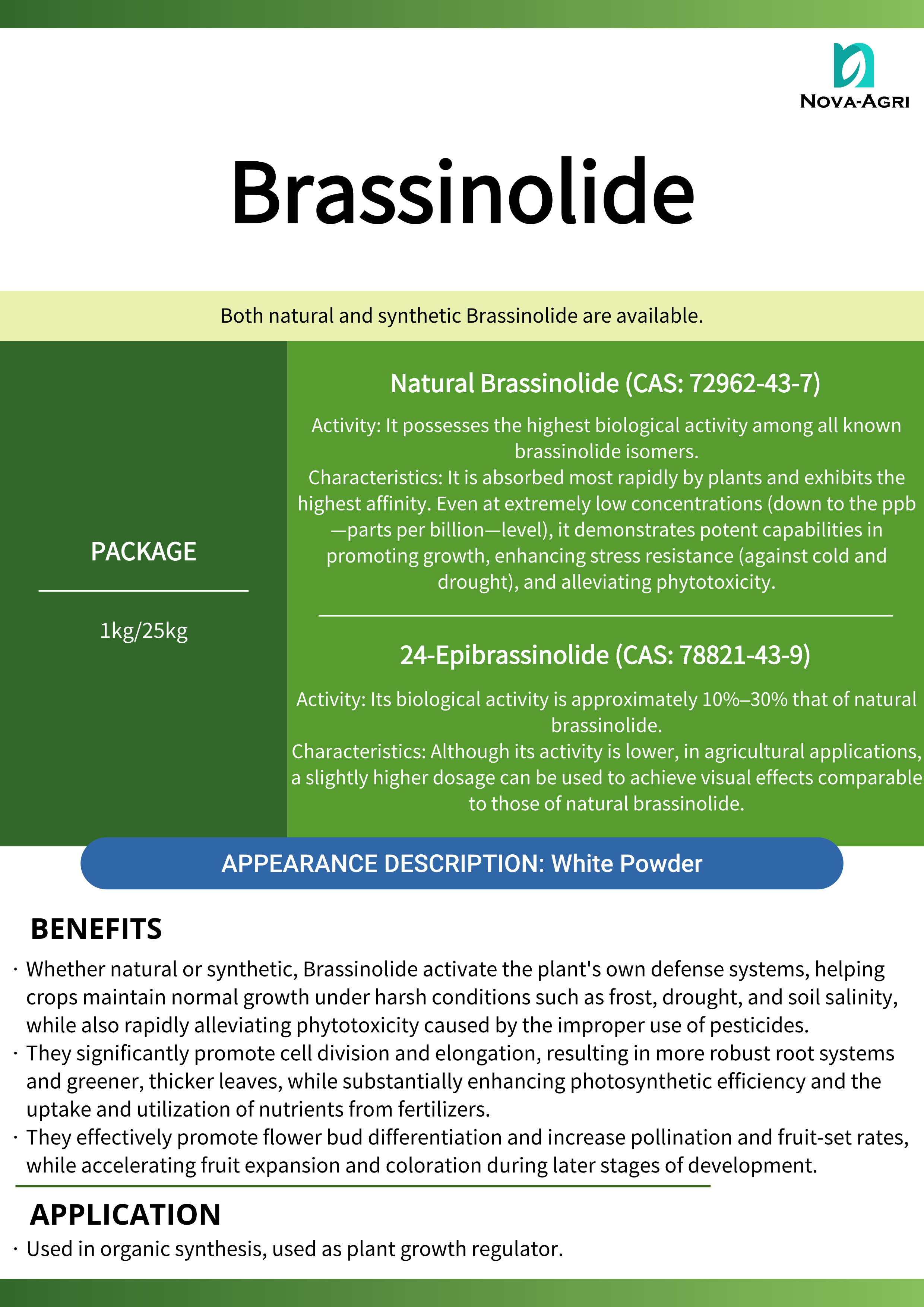
Brassinolide
BR
24-Epibrassinolide (CAS: 78821-43-9) Activity: Its biological activity is approximately 10%–30% that of natural brassinolide. Characteristics: Although its activity is lower, in agricultural applications, a slightly higher dosage can be used to achieve visual effects comparable to those of natural brassinolide. Natural Brassinolide (CAS: 72962-43-7) Activity: It possesses the highest biological activity among all known brassinolide isomers. Characteristics: It is absorbed most rapidly by plants and exhibits the highest affinity. Even at extremely low concentrations (down to the ppb—parts per billion—level), it demonstrates potent capabilities in promoting growth, enhancing stress resistance (against cold and drought), and alleviating phytotoxicity.
View details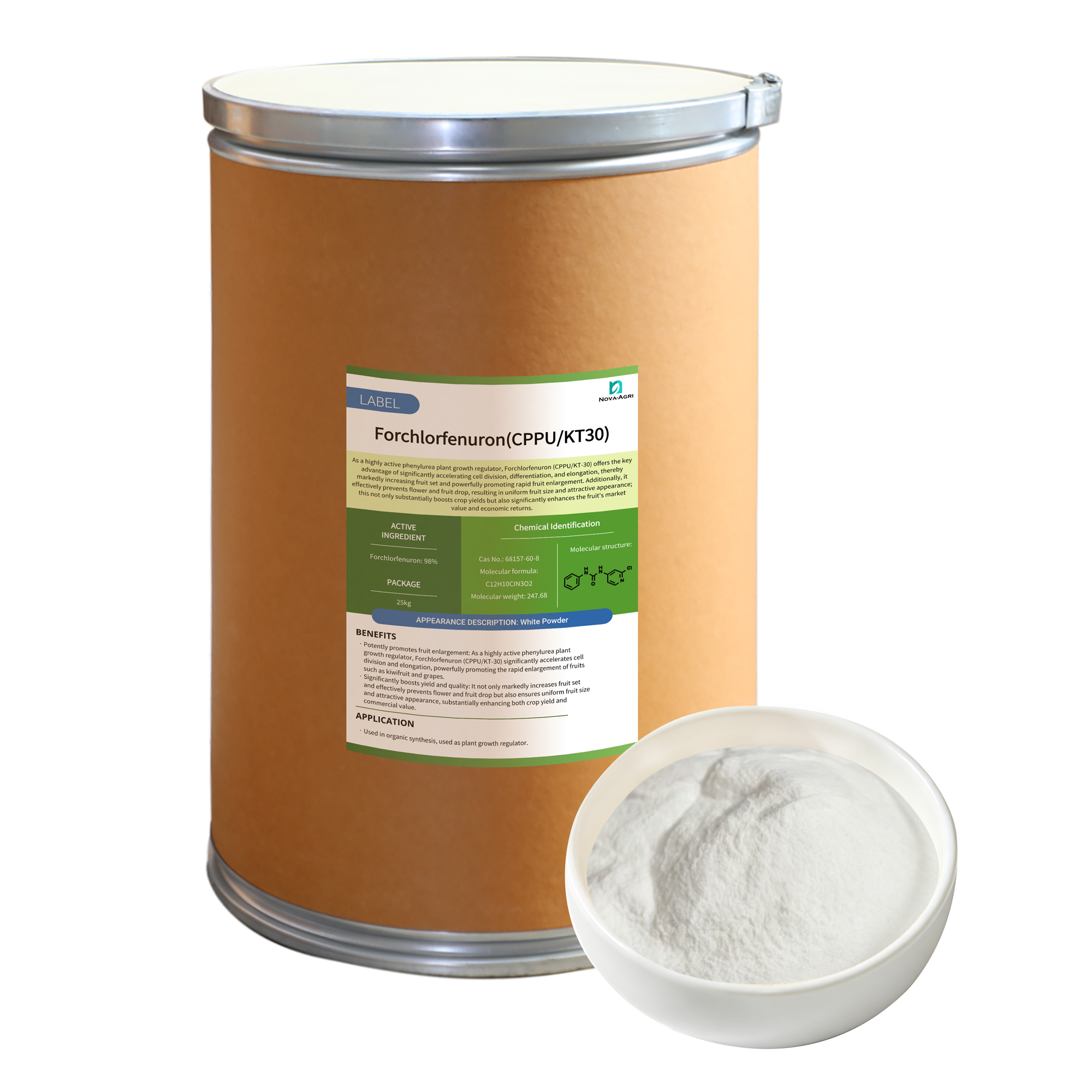
Forchlorfenuron
CPPU, KT-30
As a highly active phenylurea plant growth regulator, Forchlorfenuron (CPPU/KT-30) offers the key advantage of significantly accelerating cell division, differentiation, and elongation, thereby markedly increasing fruit set and powerfully promoting rapid fruit enlargement. Additionally, it effectively prevents flower and fruit drop, resulting in uniform fruit size and attractive appearance; this not only substantially boosts crop yields but also significantly enhances the fruit's market value and economic returns.
View details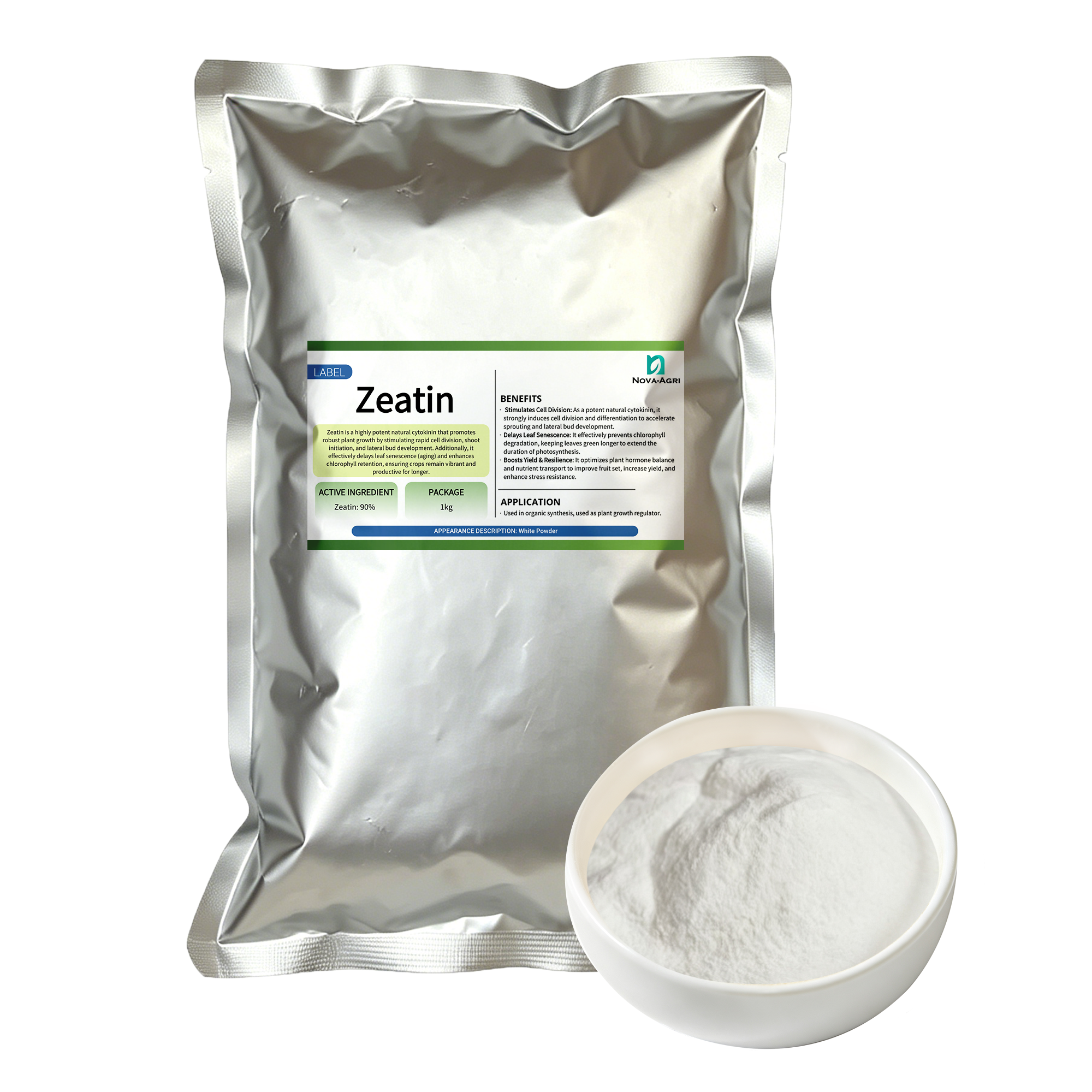
Zeatin
ZT, trans-Zeatin, 6-(4-Hydroxy-3-methylbut-2-enylamino)purine
Zeatin is a highly potent natural cytokinin that promotes robust plant growth by stimulating rapid cell division, shoot initiation, and lateral bud development. Additionally, it effectively delays leaf senescence (aging) and enhances chlorophyll retention, ensuring crops remain vibrant and productive for longer.
View details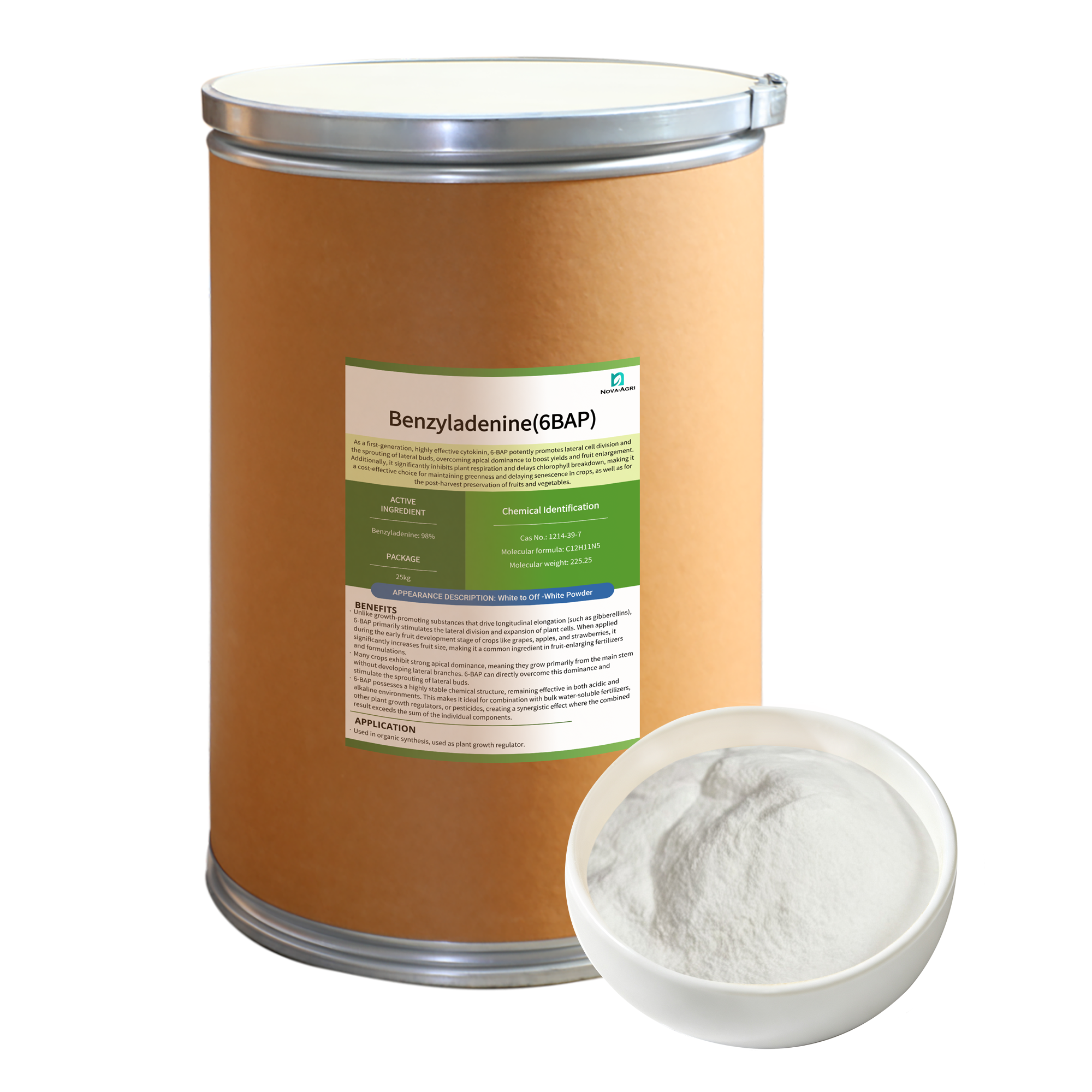
6-Benzylaminopurine
6-BA, Benzyladenine
As a first-generation, highly effective cytokinin, 6-BA potently promotes lateral cell division and the sprouting of lateral buds, overcoming apical dominance to boost yields and fruit enlargement. Additionally, it significantly inhibits plant respiration and delays chlorophyll breakdown, making it a cost-effective choice for maintaining greenness and delaying senescence in crops, as well as for the post-harvest preservation of fruits and vegetables.
View details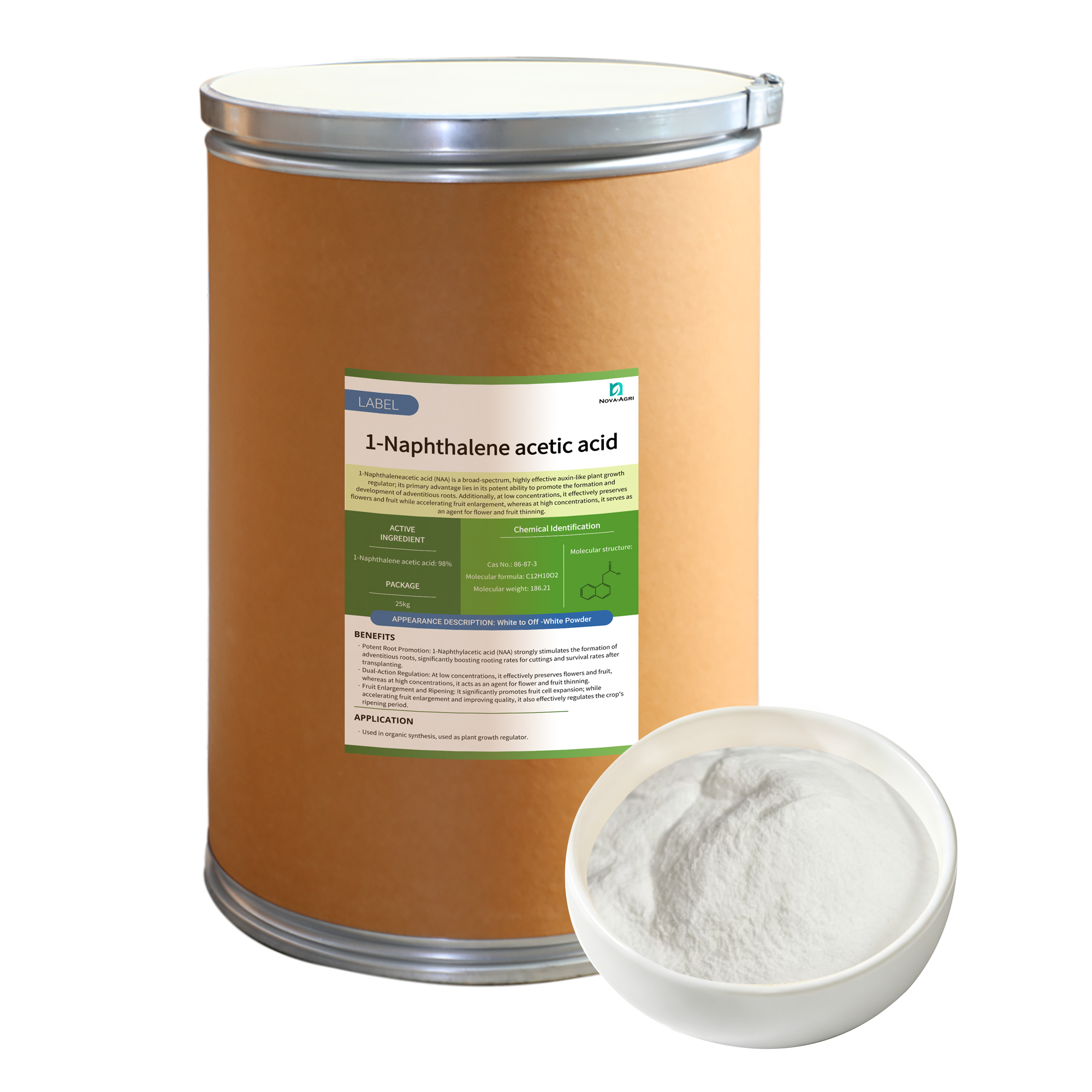
1-Naphthylacetic acid
NAA, 1-Naphthalene acetic acid
NAA is a broad-spectrum, highly effective auxin-like plant growth regulator; its primary advantage lies in its potent ability to promote the formation and development of adventitious roots. Additionally, at low concentrations, it effectively preserves flowers and fruit while accelerating fruit enlargement, whereas at high concentrations, it serves as an agent for flower and fruit thinning.
View details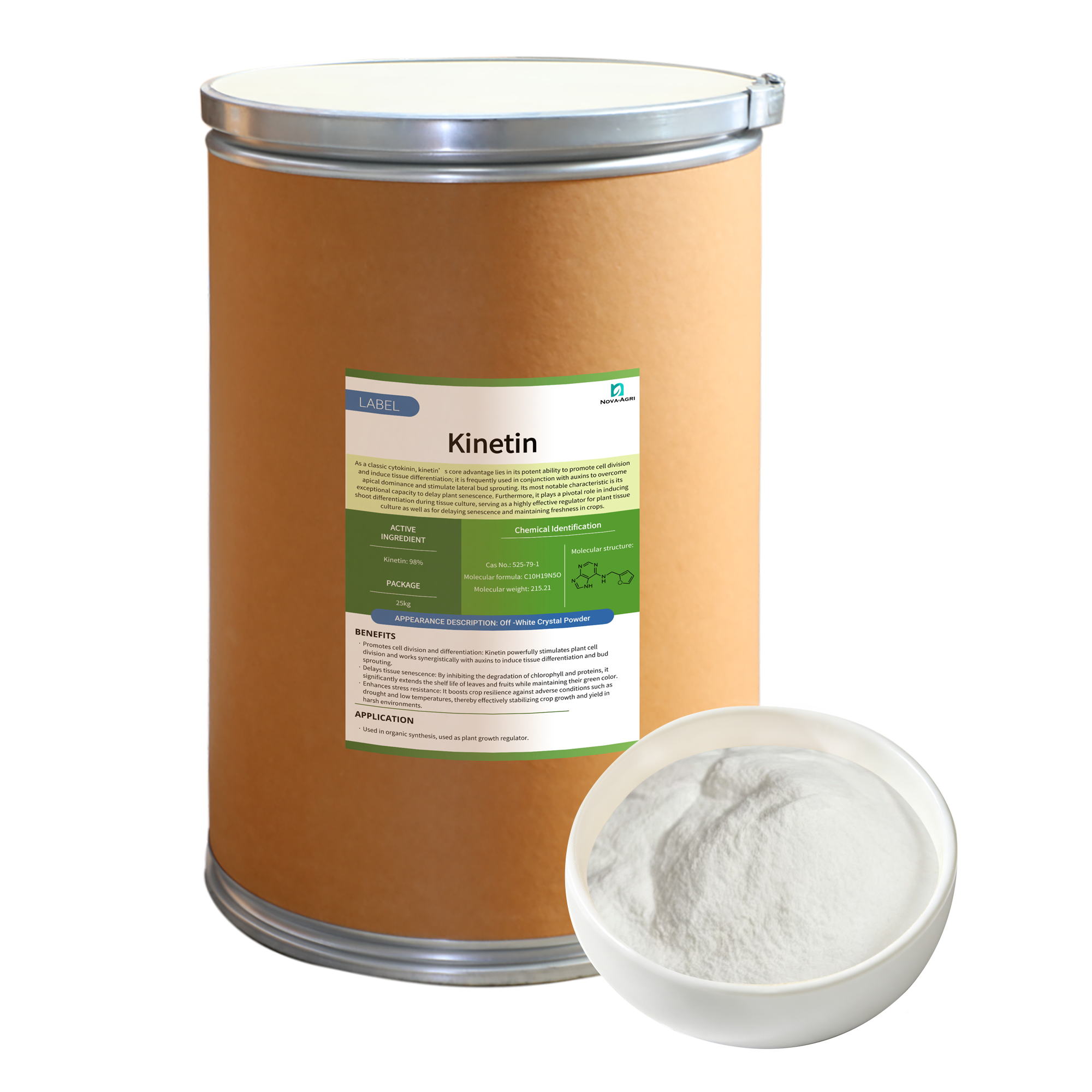
Kinetin
KT, 6-Furfurylaminopurine
As a classic cytokinin, kinetin’s core advantage lies in its potent ability to promote cell division and induce tissue differentiation; it is frequently used in conjunction with auxins to overcome apical dominance and stimulate lateral bud sprouting. Its most notable characteristic is its exceptional capacity to delay plant senescence. Furthermore, it plays a pivotal role in inducing shoot differentiation during tissue culture, serving as a highly effective regulator for plant tissue culture as well as for delaying senescence and maintaining freshness in crops.
View details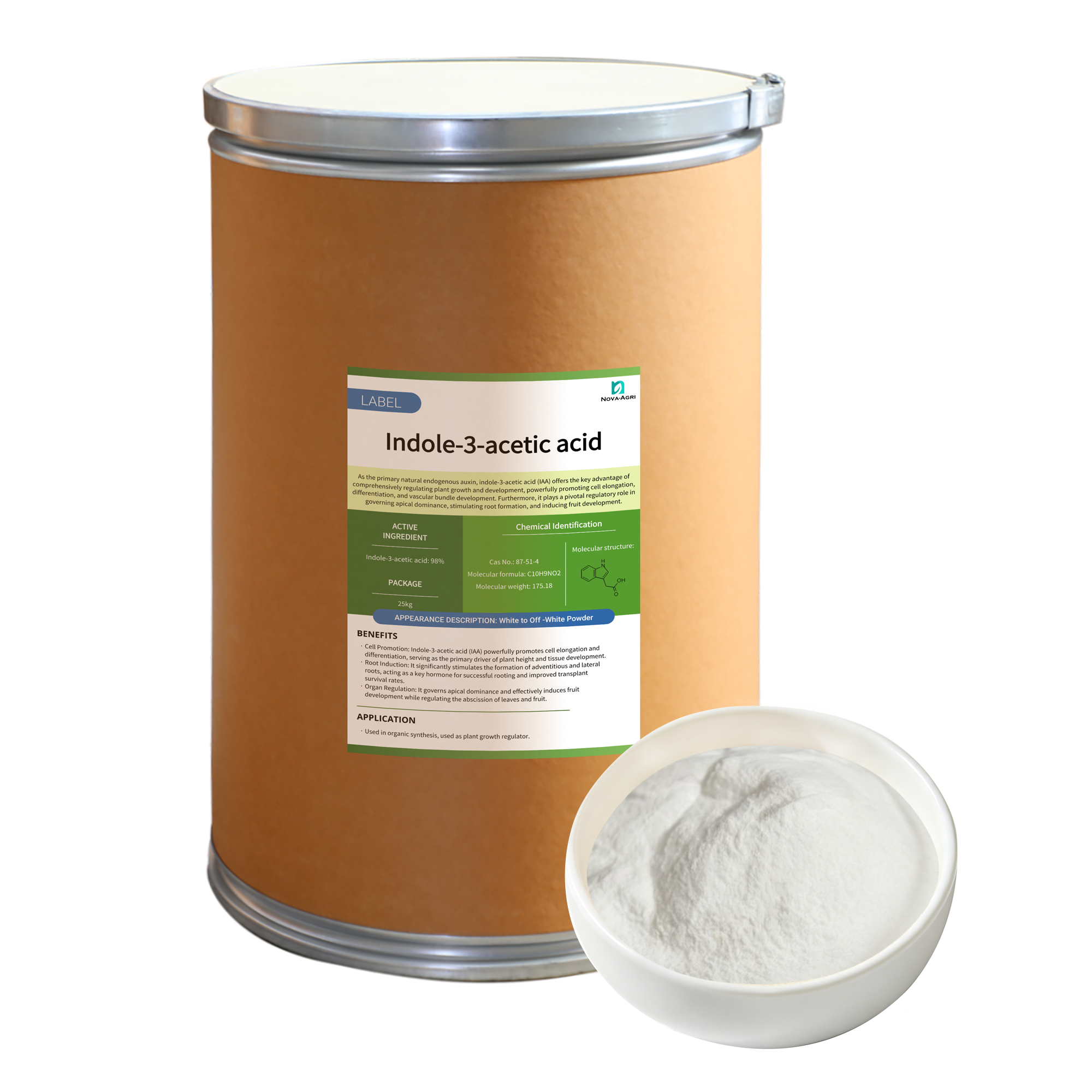
Indole-3-acetic acid
IAA, β-Indoleacetic acid
As the primary natural endogenous auxin, indole-3-acetic acid (IAA) offers the key advantage of comprehensively regulating plant growth and development, powerfully promoting cell elongation, differentiation, and vascular bundle development. Furthermore, it plays a pivotal regulatory role in governing apical dominance, stimulating root formation, and inducing fruit development.
View details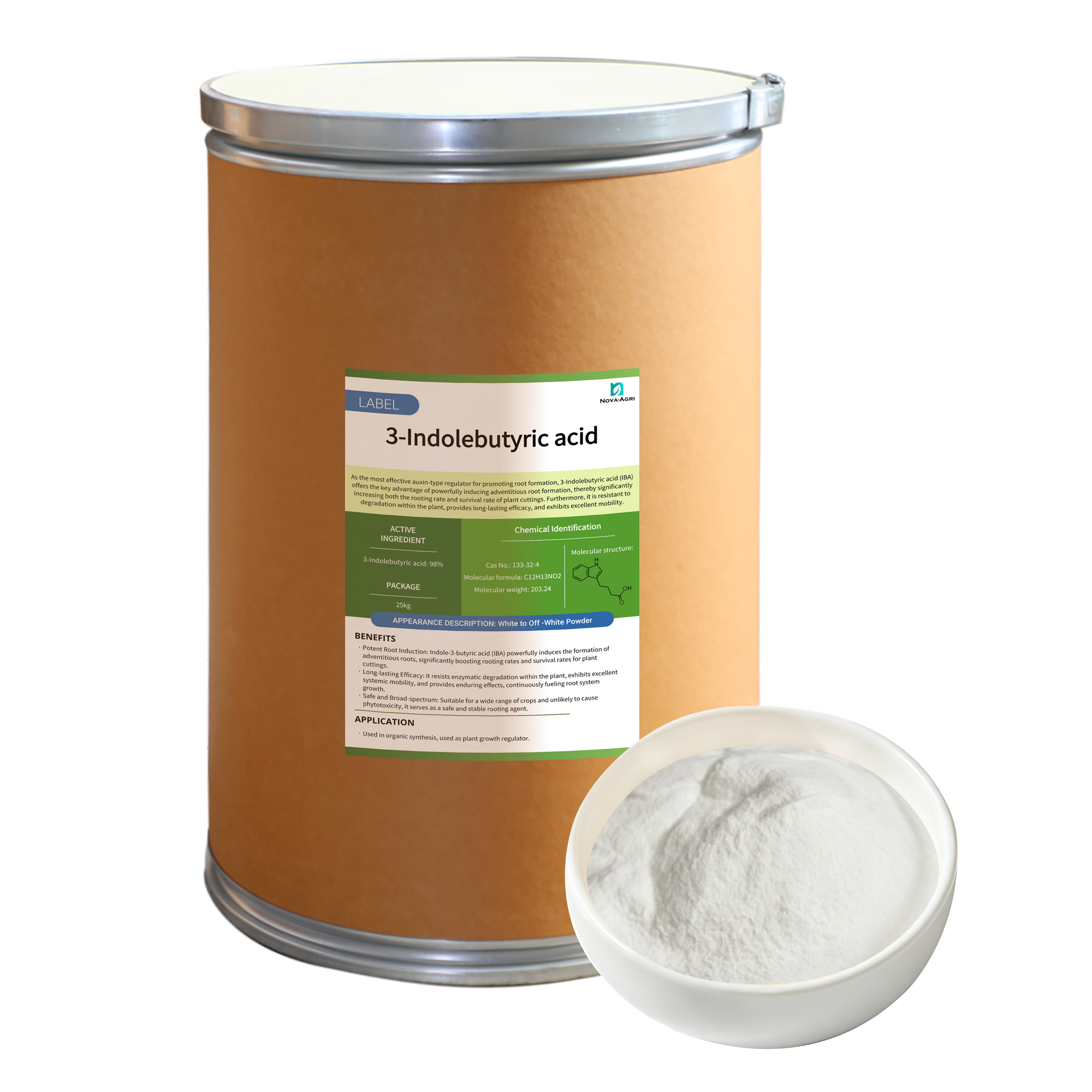
Indole-3-butyric acid
3-Indolebutyric acid, IBA, 1H-Indole-3-butanoic acid
As the most effective auxin-type regulator for promoting root formation, 3-Indolebutyric acid (IBA) offers the key advantage of powerfully inducing adventitious root formation, thereby significantly increasing both the rooting rate and survival rate of plant cuttings. Furthermore, it is resistant to degradation within the plant, provides long-lasting efficacy, and exhibits excellent mobility.
View details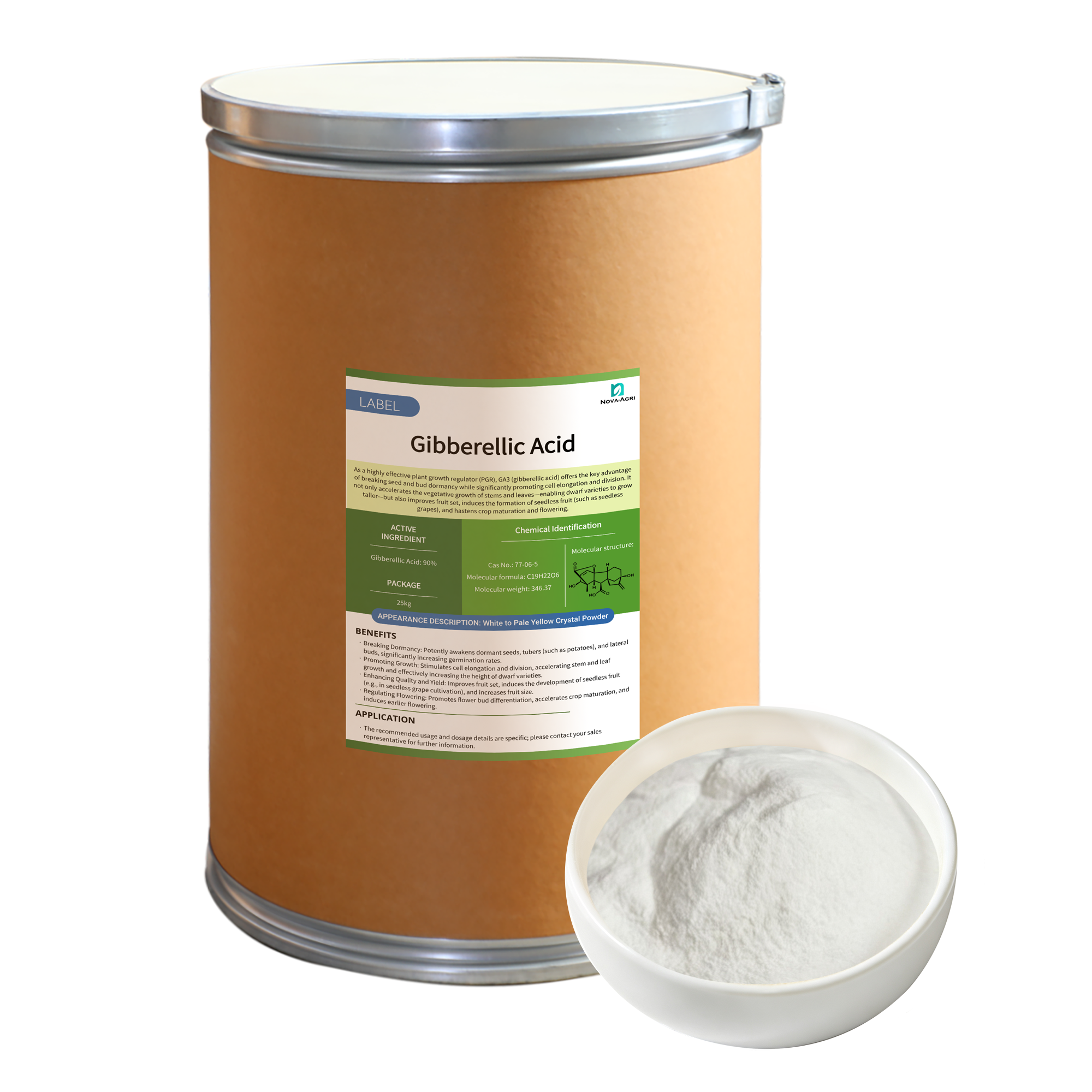
Gibberellic Acid
GA3, Gibberellin
As a highly effective plant growth regulator (PGR), GA3 (gibberellic acid) offers the key advantage of breaking seed and bud dormancy while significantly promoting cell elongation and division. It not only accelerates the vegetative growth of stems and leaves—enabling dwarf varieties to grow taller—but also improves fruit set, induces the formation of seedless fruit (such as seedless grapes), and hastens crop maturation and flowering.
View details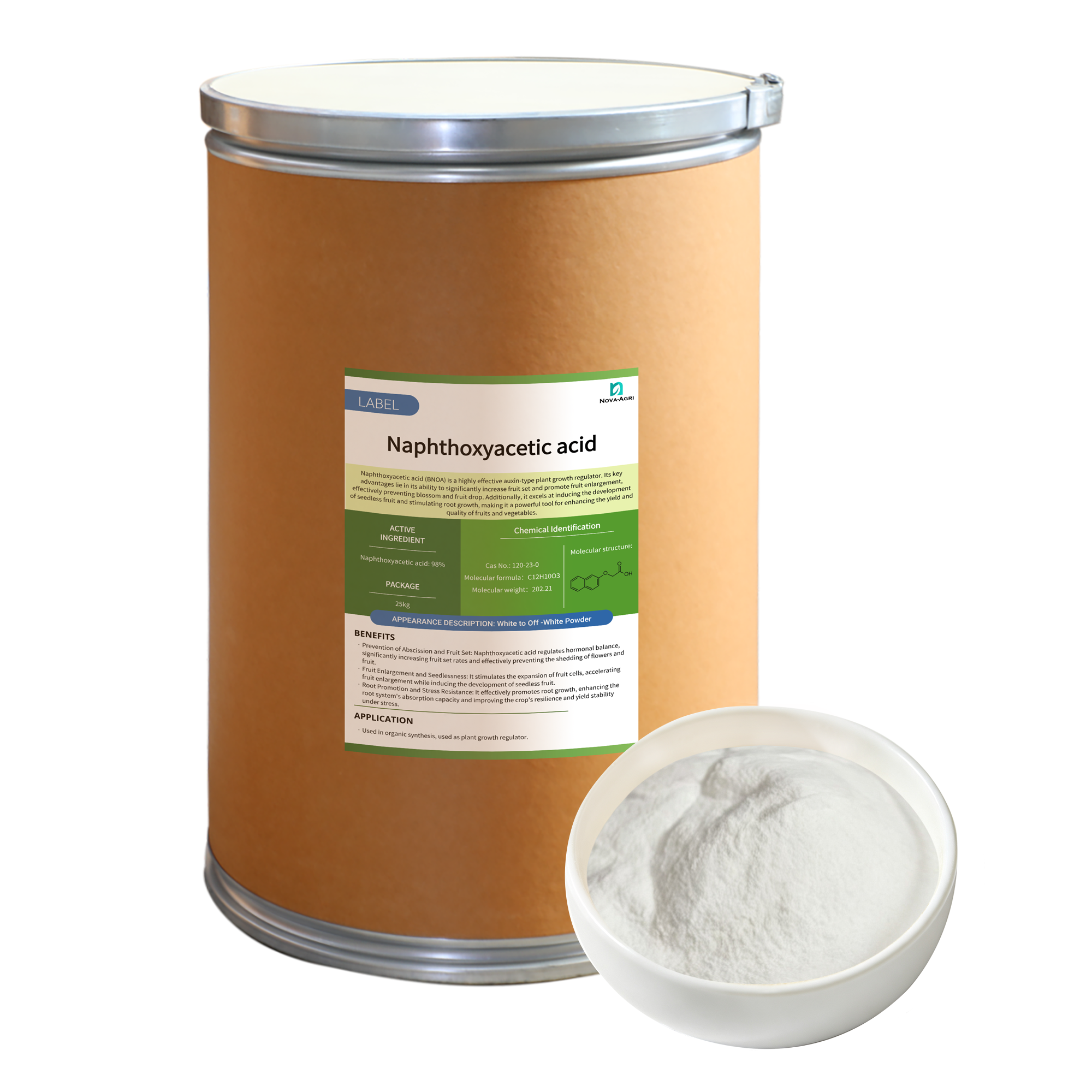
Naphthoxyacetic acid
BNOA, 2-Naphthoxyacetic Acid
Naphthoxyacetic acid (BNOA) is a highly effective auxin-type plant growth regulator. Its key advantages lie in its ability to significantly increase fruit set and promote fruit enlargement, effectively preventing blossom and fruit drop. Additionally, it excels at inducing the development of seedless fruit and stimulating root growth, making it a powerful tool for enhancing the yield and quality of fruits and vegetables.
View details